AI answers are changing how homeowners choose a pest control company — how to stay visible in Google’s Search Generative Experience and AI assistants.
Google's Search Generative Experience (SGE) uses AI to craft clear summaries of your search topics, suggest exciting next steps, and adapt to your curiosity, making your information journey personalized and efficient.
Google, in many forms, is where people are searching for an emergency service like an emergency plumber or personal injury attorney. 46% of searches are local and 80% of these searches result in a conversion within 24 hours. Ranking in Google means winning in maps, Local Service Ads, YouTube, and many other places beyond just search.
Google is rolling SGE out and will crush the SEO experts relying upon outdated techniques since you can’t “do SEO”. What you do is take great care of clients and harvest content about it.
When that gets processed, published, and promoted across multiple properties, the result of that is ranking better in search. Trying to buy SEO is like trying to buy being handsome or being a Christian. It’s what you do and the decisions you, yourself, make.
Sure, you can hire consultants to advise you and contractors to do specific tasks— but they can’t legitimately do SEO.
The Challenge For Home Service Businesses
Home service businesses face the challenge of appearing relevant and trustworthy in a crowded online landscape. SGE cuts through the noise by offering hyper-focused information to potential customers. If you’re a home services company or licensed business in a main local category, you should know that SEO has always been in your hands and is super easy to audit in 2 minutes.
Imagine someone searching for "how to get rid of bed bugs'' SGE could provide a concise overview of common methods to overcome a bed bug infestation, directly addressing their concerns without forcing them to sift through multiple articles.
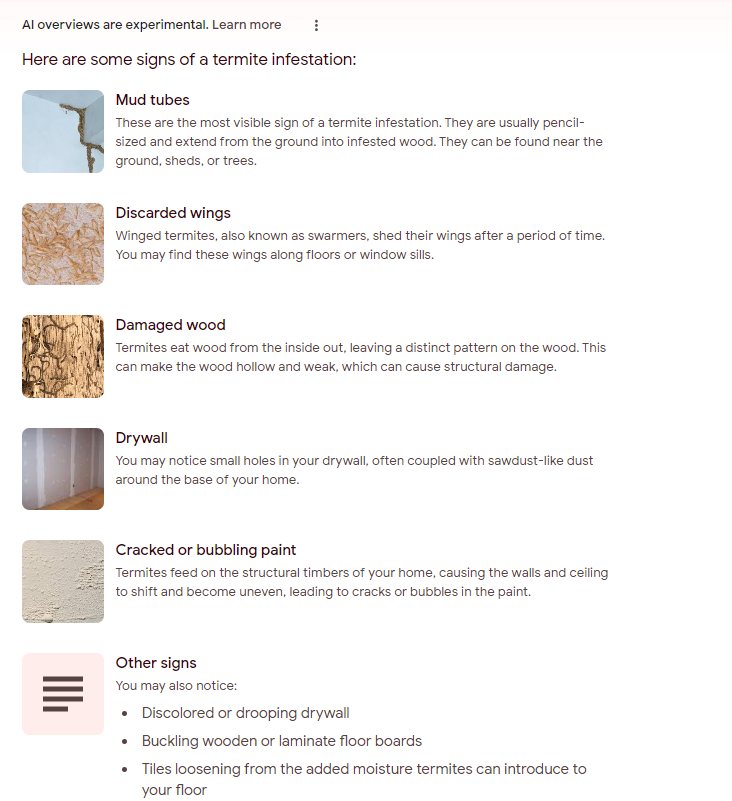
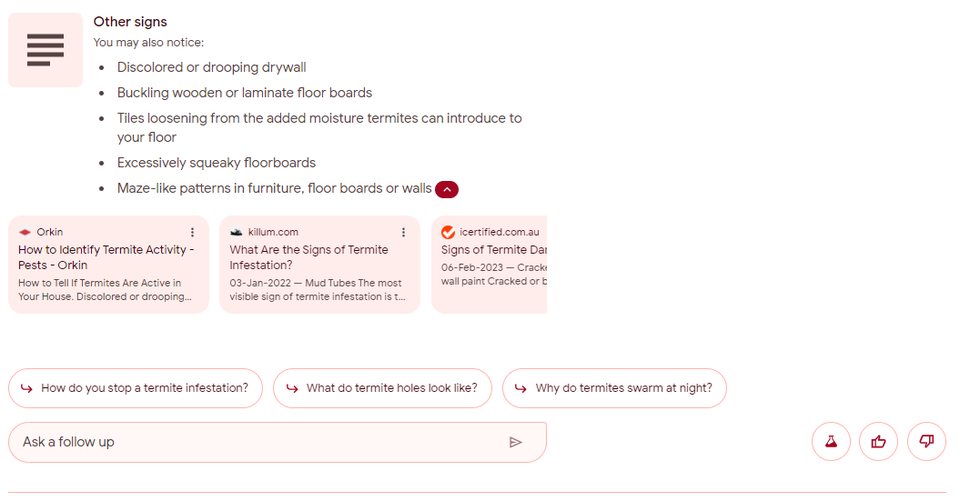
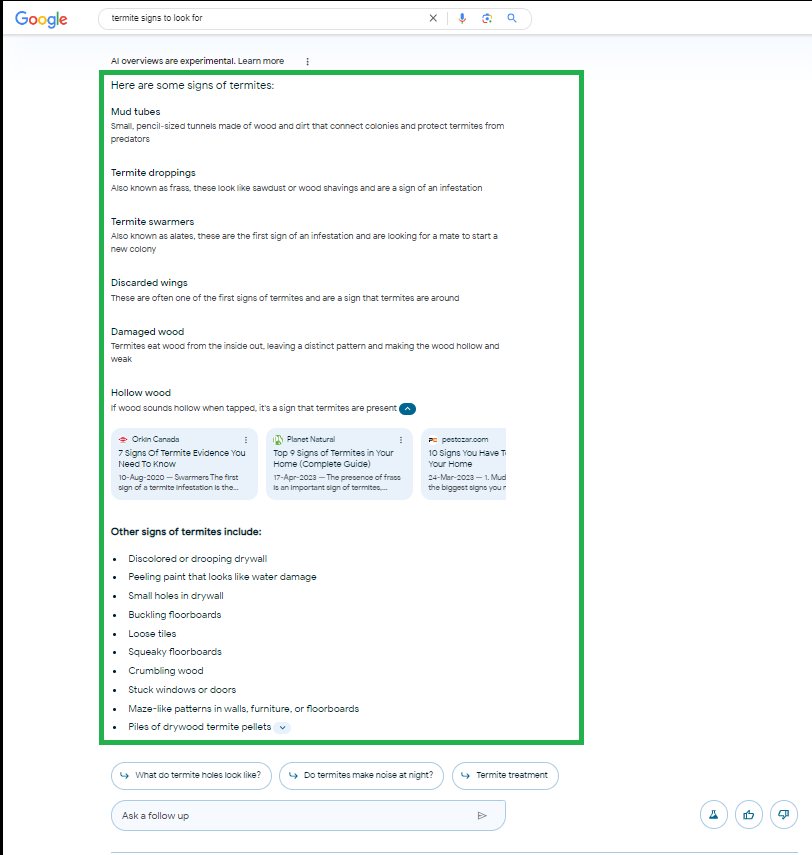
Check out this example of a Google Search for “signs of termite infestation.”

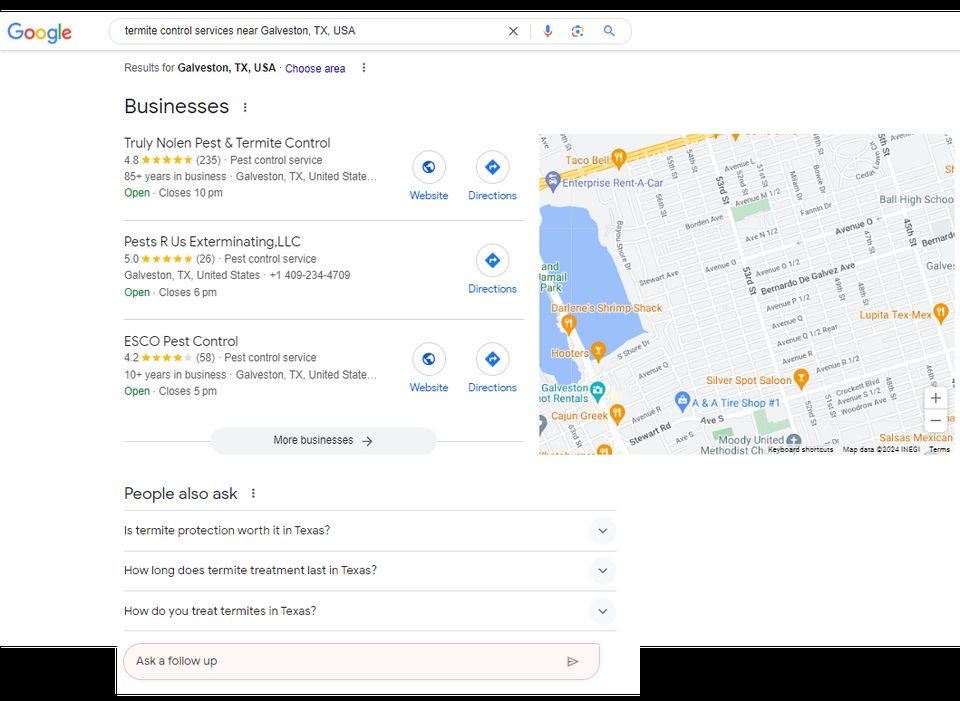
Imagine the same customer, now convinced there's a problem, searches for "local termite control services near me." SGE could showcase your business alongside relevant information, highlighting positive reviews and directly showcasing your expertise through past customer Q&As. This increases transparency and builds confidence, making them more likely to choose you
Generating An Overview
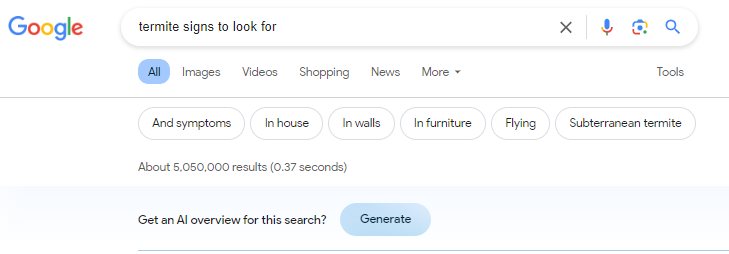
As of the time of writing, SGE is currently in its experimental phase so it’s not on by default but you can sign up at labs.google.com. Once you do that, your Google Search Results will start showing SGEs at the top of the page if you’re logged into your Google account.
Sometimes Google will not show SGE and you will need to click on the “Generate” button.
AI-Powered Summaries
Search Generative Experience (SGE) uses AI to generate concise summaries, helping you quickly understand complex topics. It works by synthesizing key information, saving you time by providing clear overviews of your search queries.
Encouraging Further Exploration
SGE not only provides summaries, but facilitates a more interactive exploration of information. It doesn't just present a list of links; instead, it offers personalized suggestions, related questions, and deeper links that guide you through a topic comprehensively.
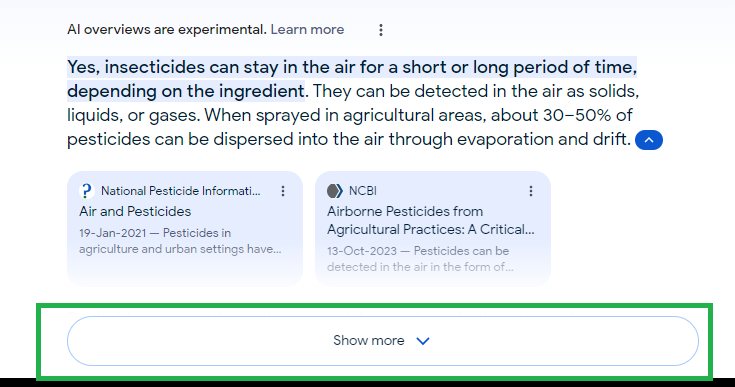
Each suggestion acts as a stepping stone, propelling you towards a deeper understanding.
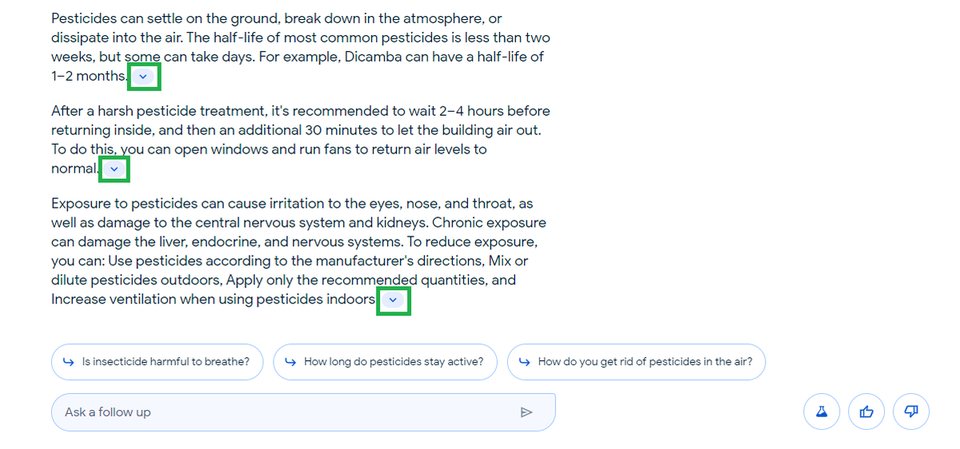
Instead of sifting through multiple web pages to gauge their relevance, users can quickly get the gist of a topic and decide which topics to read further.
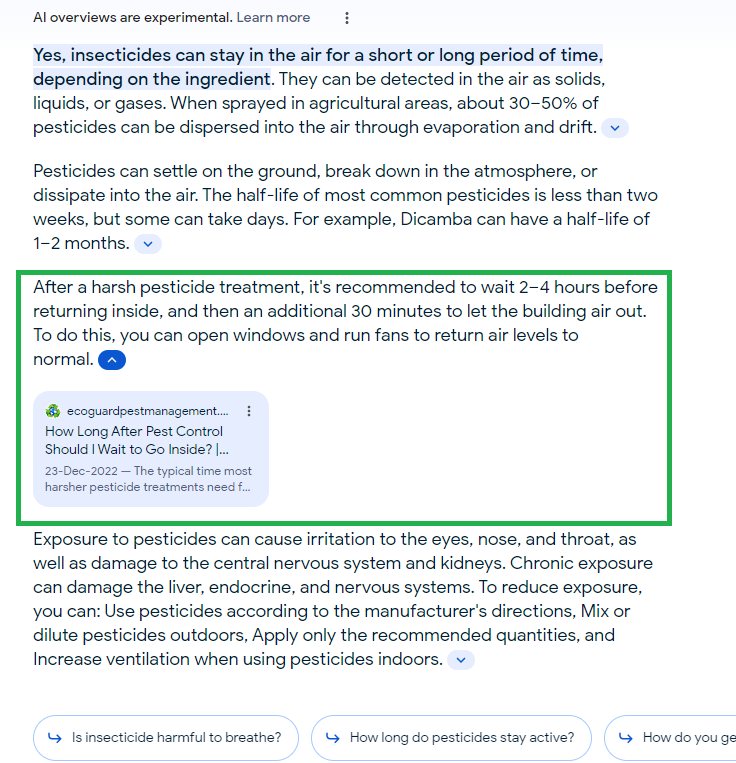
Carousel Links
The significance of carousel links lies in their ability to drive targeted traffic to your website. By securing a coveted spot within the carousel, you position your content front and center, making it more likely to be noticed and clicked on by users.
Furthermore, carousel links often enjoy higher click-through rates (CTRs) compared to regular organic search results, thanks to their prominent placement and visually engaging format.
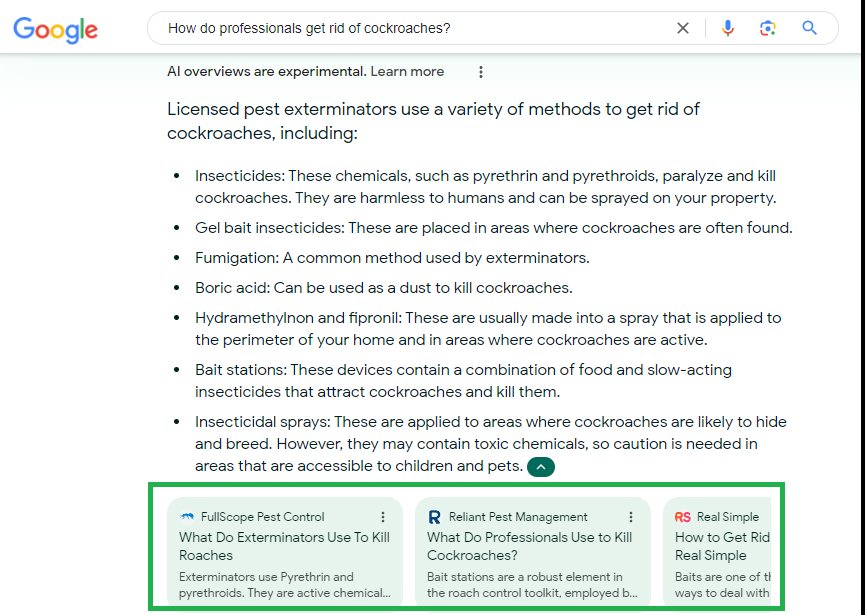
Strategies for Carousel Link Success
1. Optimize Content for Carousel Visibility: Ensure that your content aligns closely with user intent and addresses popular search queries within your niche. Conduct keyword research to identify high-value topics and incorporate them into your content to increase visibility in carousel links.
2. Focus on Visual Appeal: Leverage visually appealing imagery and multimedia elements to enhance the attractiveness of your content in carousel links. Eye-catching visuals can capture users' attention and entice them to click through to your website.
3. Prioritize User Experience: Optimize your website for a seamless user experience, ensuring fast loading times and easy navigation. A positive user experience not only improves engagement but also enhances your chances of retaining users who land on your website via carousel links.
Jump-off Points
Imagine an exhibit that adapts and shifts based on your interests. That's the magic of Adaptive Jump-off Points in SGE. As you interact, it fine-tunes its suggestions, ensuring they align perfectly with your unique curiosity. Ask follow-up questions and observe how SGE responds, weaving a narrative tailored just for you.
Think of it as a conversation that flows effortlessly. You express your interests, and SGE responds with relevant insights, nudging you gently toward topics that pique your specific curiosity. This dynamic adaptation elevates your search experience from a linear path to an engaging dialogue, where you and SGE collaborate to uncover the knowledge you truly seek.
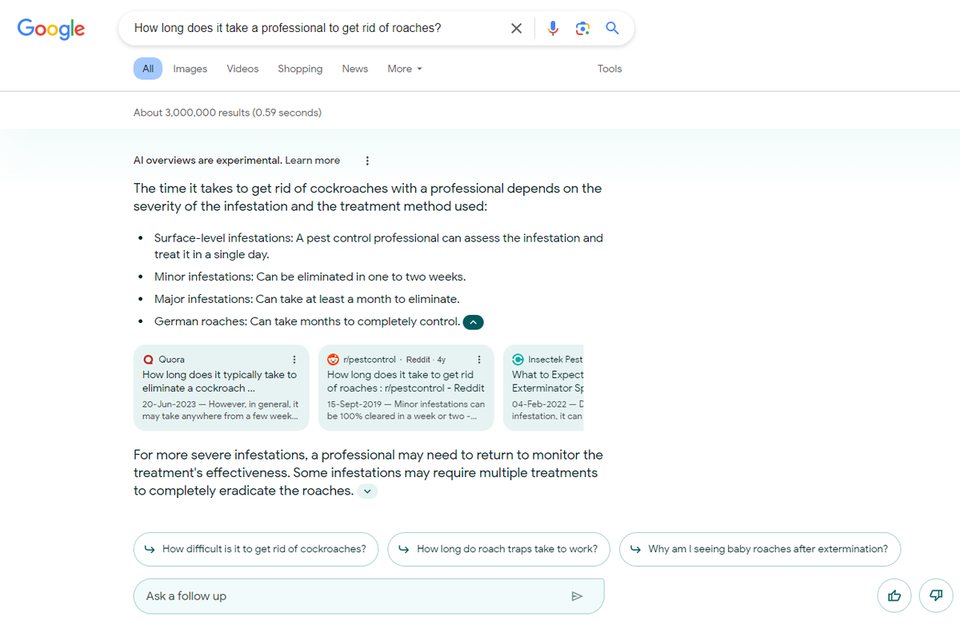
Suppose a prospective customer asks the follow-up question “How long does it take a professional to get rid of roaches?”

Google will then generate a new SGE within the same search results page beneath the very first search query “How do professionals get rid of cockroaches?”, and then it will collapse or minimize that first query.
Here’s a look at what the 2nd SGE will be:
Now suppose a prospective customer asks a subsequent follow-up question, “Why am I seeing baby roaches after extermination?”

Google will then generate a new SGE within the same search results page beneath the first follow-up question “How long does it take a professional to get rid of roaches?”, and then it will collapse or minimize that first first follow-up question.
Here’s a look at what the 3rd SGE will be:
As you can see from the Carousel Links (colored boxes), this is prime real estate for a prospective customer to click on an article, web page, or landing page for your home service business to be placed in.
If you can create articles and use the Content Factory to further post and promote more of your content that a prospective customer finds valuable, then you can win in SEO and get inbound by simply having relevant and helpful content for your customers.
Understanding Brand Recommendations and Follow-Up Questions
Brand recommendations and follow-up questions are prominently featured within search engine results, typically appearing alongside relevant search queries. These recommendations are generated algorithmically based on factors such as brand authority, relevance, and user engagement. By leveraging this feature, businesses can establish themselves as trusted sources of information and cultivate brand loyalty among users. Here are some strategies for brand visibility
1. You Go to Your Google Search Console and Disavow a Bunch of Garbage Links:
If you suspect that your website has a large number of low-quality or spammy links, you can use the Google Search Console to disavow those links. A disavow request is a file that you can submit to Google, in which you inform Google that you are the website owner and that you did not create these links. By doing this, you are asking Google to ignore these links when evaluating your website’s ranking.
It’s important to note that the disavow process is not a quick fix, it may take some time for Google to process your request and for the links to be disregarded. Additionally, it’s important to communicate with your SEO professional and understand the link-building strategies they are using, and to avoid using any black hat techniques that can harm your website’s ranking. You can also monitor your website’s backlinks regularly and disavow the low-quality or irrelevant links.
2. Generate Real Links With Real Articles:
To improve your website’s search engine ranking, it’s important to generate real links from authoritative websites that are related to your industry or topic. One way to do this is by writing guest blog posts on other websites in your industry. This can help to increase your website’s visibility and credibility, and it can also drive targeted traffic to your website.
Another way to generate real links is by participating in industry events and conferences. You can write articles or blog posts about what you’ve learned from the event and include a link to your website.
Another way is by joining industry associations or magazines and contributing by writing articles or blog posts that are related to your industry.
It’s also important to avoid buying links or participating in link schemes, as these can be seen as manipulative and can harm your website’s ranking. It’s always better to have natural, relevant, and authoritative links from trusted websites.
3. Generate More Content by Making 15-Second Videos:
Another way to improve your website’s search engine ranking and drive more traffic is by generating more content. One way to do this is by creating 15-second videos that showcase your business, services, or customer testimonials.
Or you can answer People-Also-Ask questions.
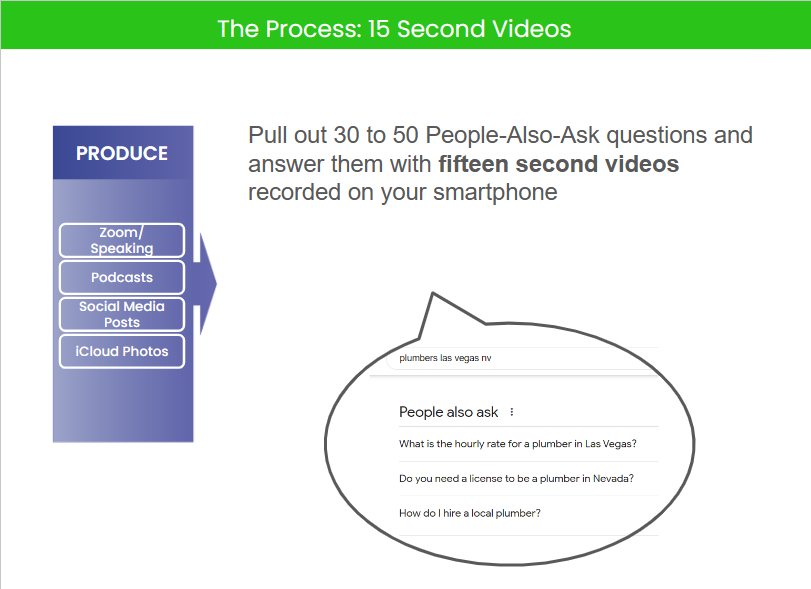
These videos can be used to create blog posts that provide valuable information for your target audience.
Additionally, you can post these videos on various social media platforms, such as Twitter, LinkedIn, Google My Business, and Facebook, to reach a wider audience.
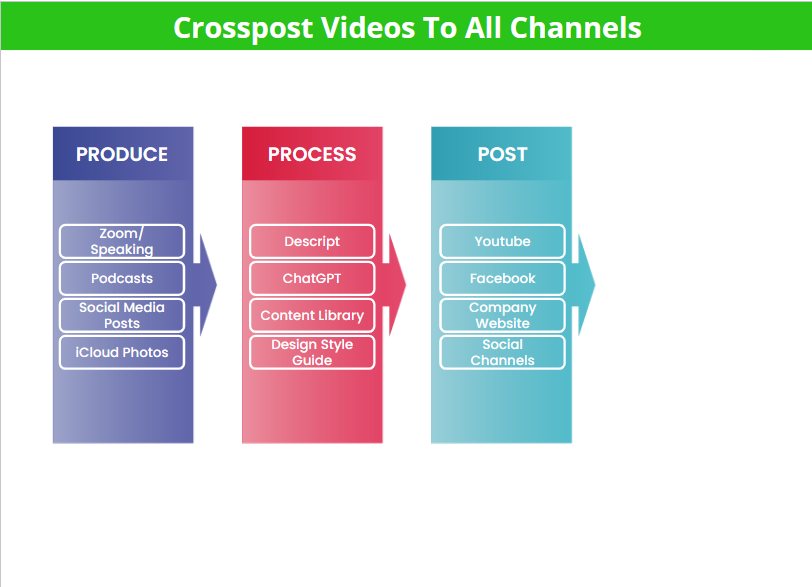
By creating and sharing these videos, you can increase the amount of content on your website, which can help to improve your website’s search engine ranking, and also increase engagement and brand awareness. Additionally, you can also optimize these videos by including relevant keywords and meta tags to improve their visibility in search results.
It’s also important to make sure that the videos are well-produced and engaging, as this can help to increase the chances of them being shared, which can lead to more backlinks and more visibility for your website.
Did you know that 15 seconds is all you need to capture your audience? Learn how to say the same things, but in less time and with a stronger emphasis on the HOOK by our 15 Second Video Course!
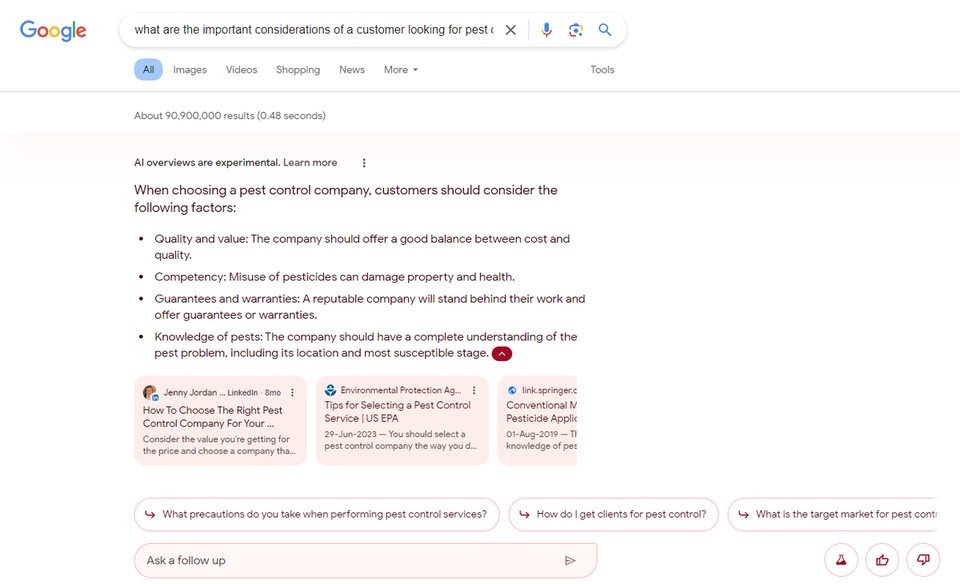
For 15-second video topics that you can make about pest control, let’s have SGE suggest a customer’s considerations:
4. Activate Your Content Factory:
Google is looking for multiple confirmations of a signal from high-authority sources. So repurpose those long-form videos into blog posts (especially on other relevant sites), social snippets, GBP posts, etc.
Additionally, investing in directing targeted traffic to content properties demonstrates quality engagement—a metric Google values.
The opportunities presented by SGE are significant for success in digital marketing.
Consider which of the 4 stages of the Content Factory you want to operate within.
I personally like the promotion phase, since the burden of being the expert is so high. It’s so much easier to lean on others to be on top of that expertise/function.
To hire others to process the content – hence, virtual assistants (VAs) using Descript, ChatGPT, and other tools. Add more VAs and tools to post the content (repurpose across many channels, which includes the web – for SEO) – too much work for me.
The 4 Stages of the Content Factory
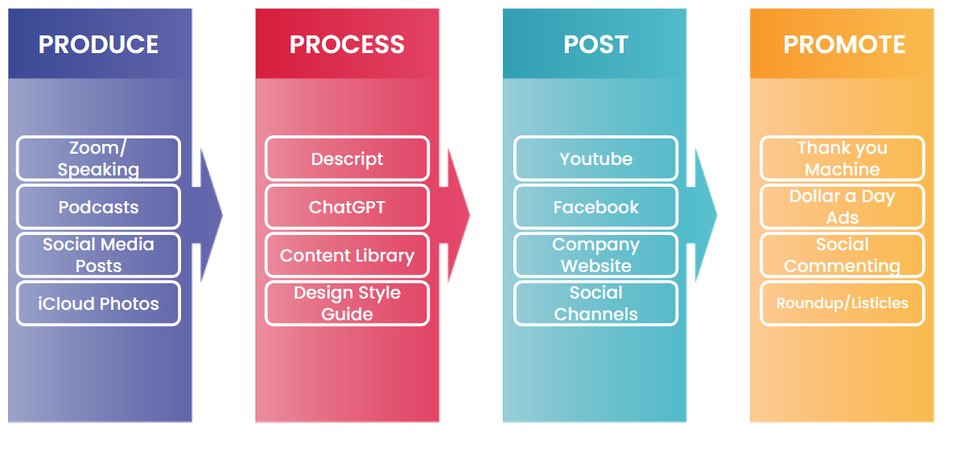
The last stage – to promote – is the least amount of effort and yields the highest return.
But it does require a deep strategic understanding of how the expert drives the result and an ability to coordinate getting content to that last (4th) stage, so we can test for winners.
The Dollar-a-Day strategy (once just a course but now a hands-on program), is a multiplier of what’s already working in your business.
If you can get these first 3 stages in place, then you should be able to double your business with Dollar-a-Day ads since it’s unlikely we have leveraged all channels, clearly identified our winning ads, or set up proper remarketing.
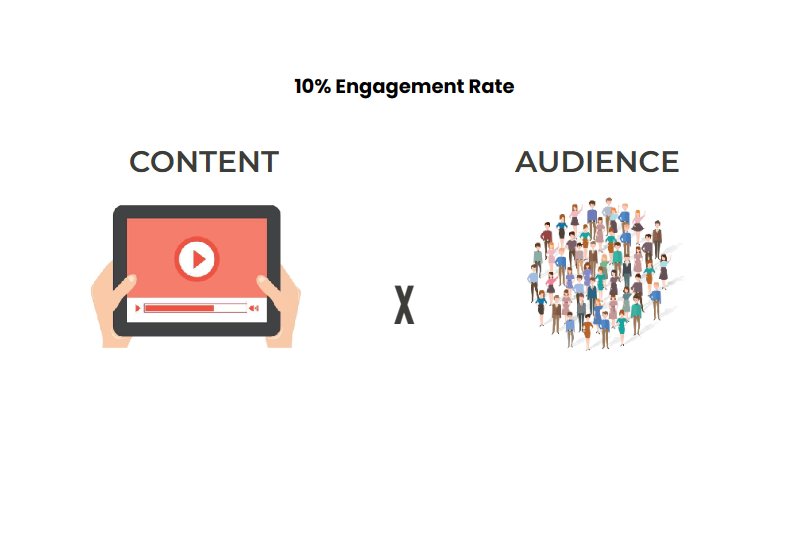
For example, if you’re not getting a 10% CTR on your Dollar-a-Day ads, then something is broken with your “content x targeting” combos – content not compelling enough or niche audience not relevant enough.
If your Google Quality Scores are not at least a 7 (it’s the “check engine light” of PPC), then you have the same issue.
Fixing each of these components yields a multiplier effect– since higher conversion rates mean we can afford to spend more on acquisition.
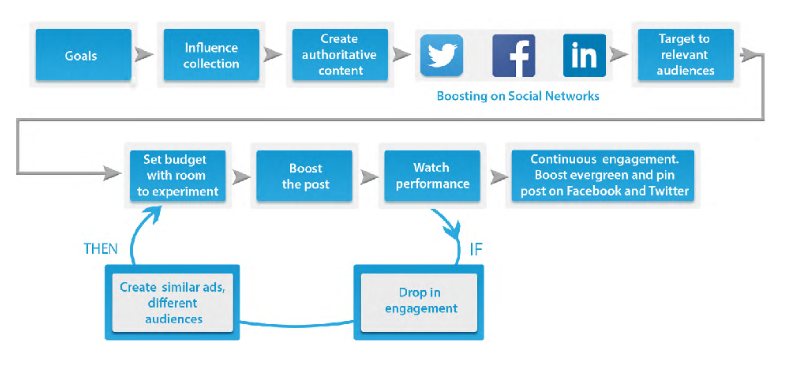
We have come a long way from just boosting posts on Facebook. We have expanded the strategy to work on platforms such as TikTok and Twitter.
Please note, though, that this will only work if you already have a successful 7-figure business and have happy clients willing to talk about you and your business awesomely. If you’ve got those boxes checked, then you’re ready for the program.
5. Frequency of Your Reviews
Another important aspect of SEO is monitoring and responding to customer reviews. This can help to improve your website’s search engine ranking and also increase your business’s credibility and reputation.
It’s important to not only track the total number of reviews but also the frequency of reviews in the last two weeks. This can help you identify trends and make adjustments to your business’s services or customer service.
It’s essential to note that SEO is not about tricking search engines; it’s about providing relevant and valuable content for your target audience and sending relevant signals to search engines by linking to other authoritative and relevant websites in your industry. The goal of SEO should be to appear in all types of search results, especially map results, as this can drive more targeted traffic to your website.
It’s important to work with an SEO professional who understands and practices legitimate SEO techniques, rather than relying on spammy or outdated methods.
Insights From a Google Engineer
I recently had the privilege of discussing Google's Search Generative Experience (SGE) with a key executive overseeing the project, Gemini (formerly Bard). I came away from that meeting with valuable insights into navigating and succeeding with SGE.
SGE represents Google's ambitious effort to completely revamp its search results. Google intends for SGE to entirely replace its current search results framework so understanding and leveraging this evolution is crucial for anyone involved in SEO. In the near future, SEO will become crucial for effective PPC strategies, as it will be essential to promote anything listed in the Knowledge Graph.
Central to SGE's success are knowledge panels. Google describes Knowledge Panels as the following:
“Knowledge panels are information boxes that appear on Google when you search for entities (people, places, organizations, things) in the Knowledge Graph.”
Here’s an example of Dennis Yu’s Knowledge Panel:
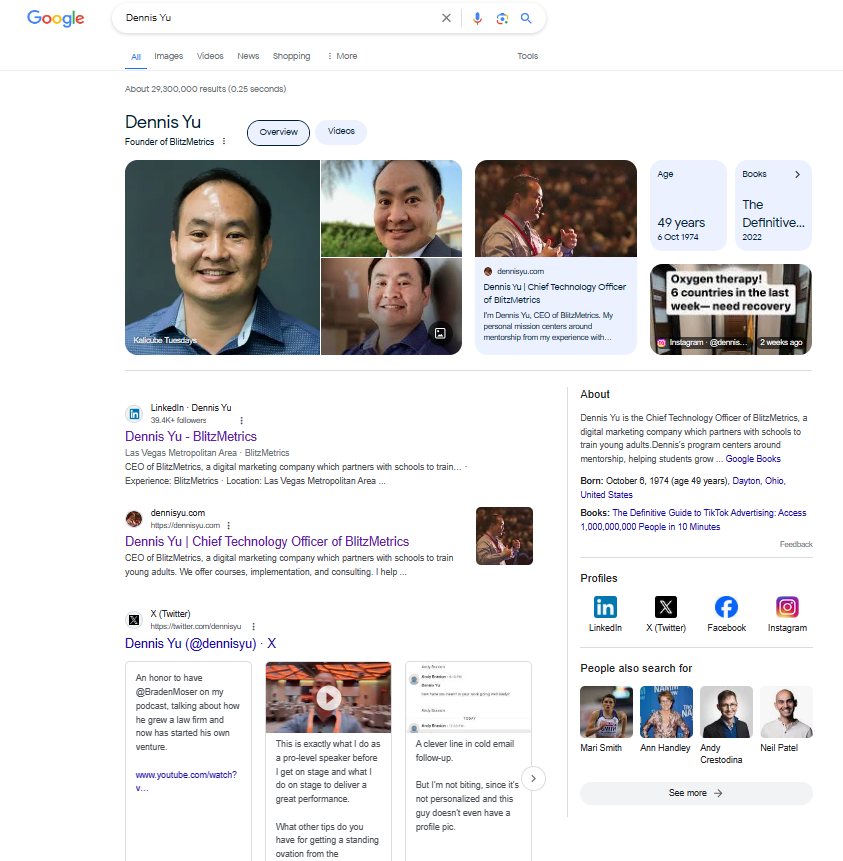
You can see his instagram, videos, books, articles, etc.
You may have come across countless knowledge panels without recognizing them or giving them much thought.
Knowledge Panels draw upon Google's Knowledge Graph—a repository of factual data.
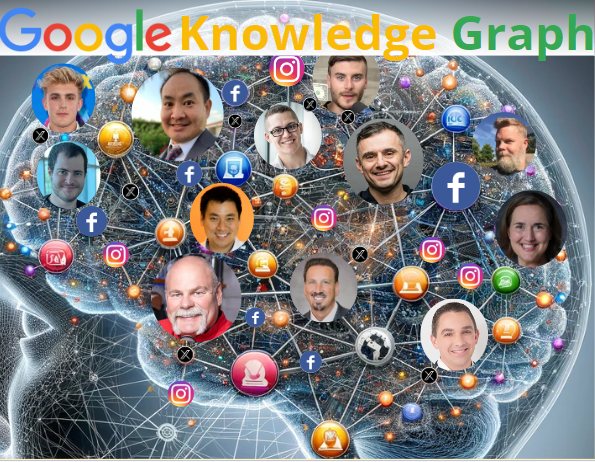
Dominating these panels for your brand, products, or locations is essential for success in the SGE landscape.
SGE On The Top Spot
When SGE (Search Generative Experience) appears at the top of search results, it significantly alters how the users interact with the search results.
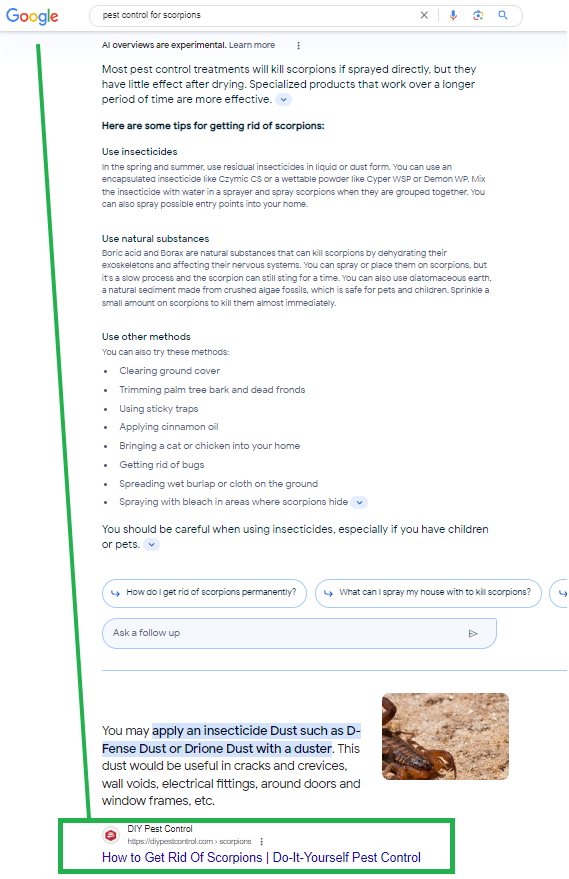
This feature reduces the visibility of the traditional "ten blue links," including organic results and sponsored listings, thereby changing how users access and perceive information.
Websites not ranking well in SGE risk losing significant visibility and traffic as users increasingly engage with the AI-generated summaries directly on the search page. This necessitates a shift in SEO strategies to prioritize optimization for SGE to remain competitive and relevant.
Staying informed about emerging features like SGE and adapting optimization strategies accordingly is crucial for businesses and SEO professionals to navigate the evolving SEO landscape effectively.
See how far down the first organic result is in this example:
Put this chapter to work
Want to know exactly where your pest control company stands? Get your free marketing audit — we score what’s already public about you and show you the gaps before you spend a dollar.
Building your name, not just your company? The Pest Control Spotlight plan puts a personal brand website behind you for $99/month.
← Google Analytics for Pest Control Companies · All chapters · Reputation Management for Pest Control Companies →